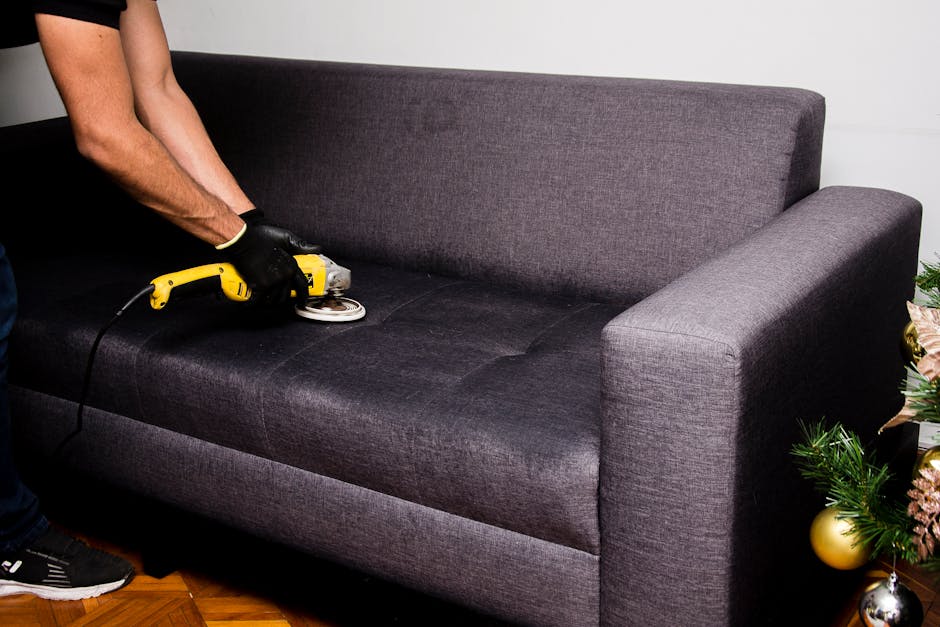
Danson Park upholstery cleaning guide for Bexleyheath homes
If your sofa is looking a bit tired, the armchair by the window has picked up everyday grime, or the dining chairs are showing the after-effects of family life, this Danson Park upholstery cleaning guide for Bexleyheath homes is for you. Upholstery cleaning sounds simple enough until you start asking the real questions: what fabric is this, how wet is too wet, and will that mark ever come out? To be fair, most people only think about cleaning fabric furniture when something spills. But the truth is, routine care makes a huge difference to appearance, comfort, and how long the furniture lasts. This guide walks you through the practical side of upholstery cleaning in a local Bexleyheath setting, from safe methods to common mistakes and when to call in help.
Whether you are dealing with a cherished corner sofa, a small rental flat, or a busy family home near Danson Park itself, the aim is the same: get better results without risking damage. You will find clear steps, useful comparisons, and a few hard-earned pointers that can save you from the usual oh-no moment when a stain spreads instead of disappearing.
Expert summary: the safest upholstery cleaning approach is usually the least aggressive one that still tackles the soil, stain, or odour you are facing. Match the method to the fabric, test first, and dry thoroughly. Simple, but not always easy in real life.
Why Danson Park upholstery cleaning guide for Bexleyheath homes Matters
Upholstery takes daily abuse in a way that hard surfaces simply do not. Skin oils, dust, pet hair, food crumbs, drink spills, and airborne particles settle into the fibres bit by bit. You do not always see it happen. One day the fabric just looks flat, a little dull, maybe a touch musty. That slow change is exactly why a local cleaning guide matters: it helps you catch problems early and clean in a way that suits the fabric, the room, and the real conditions in a Bexleyheath home.
Homes around Danson Park often have the usual mix of family traffic, guests, pets, and seasonal dampness. A sofa near a front bay window may hold more dust from open windows in summer, while a chair in a snug room can build up body oils and odours from regular use. If you are near busy roads or get the doors open often, fine dirt can travel indoors more easily than people expect. Not dramatic, just normal life. But normal life still needs maintenance.
There is also a comfort and hygiene angle. Clean upholstery feels fresher, smells better, and makes a room look more cared for. If you rent out a property, the furniture presentation can change how the whole place feels at a glance. If you live in your home long term, it helps preserve items you may have paid a fair bit for. And let's face it, replacing a good sofa is never cheap.
Another reason this matters is prevention. A stain left alone often becomes a set stain. A damp patch not dried properly can lead to odour or even fabric distortion. The cleaning process is not just about appearance; it is about protecting the structure underneath the surface.
For readers who want a broader service overview as well, the site's upholstery cleaning service is a useful place to understand how professional fabric care is typically approached. If you are comparing furniture care with other home cleaning needs, the main carpet cleaning page can also help you see how different textile surfaces are treated in practice.
How Danson Park upholstery cleaning guide for Bexleyheath homes Works
Good upholstery cleaning starts with identification, not scrubbing. That sounds obvious, but it is where a lot of mistakes begin. Before applying any product or water, you need to know what the fabric can tolerate. Some materials handle water-based cleaning well; others need very careful low-moisture treatment or solvent-style approaches. The label matters. If there is a manufacturer care code, read it properly. If there is no label, treat the fabric cautiously and test a hidden area first.
In most homes, upholstery cleaning follows a sequence:
- Inspection - check the fabric type, the stain, seams, wear points, and any loose stitching.
- Dry soil removal - vacuum thoroughly to lift dust, grit, crumbs, pet hair, and loose debris.
- Spot testing - test the product in an out-of-sight area for colour transfer, texture change, or watermarking.
- Pre-treatment - apply a suitable solution to lift oils, stains, or odours.
- Agitation where safe - gently work the solution in with a soft cloth or upholstery brush.
- Extraction or wipe-down - remove loosened dirt without over-wetting.
- Drying - improve airflow, open windows if appropriate, and keep use off the furniture until fully dry.
That final step is often rushed. It should not be. Fabric that feels merely "a bit damp" can still trap moisture deeper inside. In a cool room, especially on a grey afternoon with the heating off, drying can take longer than expected. Put simply: drying is part of the cleaning, not something you do afterwards if you remember.
For heavy-use household furniture, such as a well-loved sofa or an upholstered dining set, a deeper professional clean may be appropriate. If you are comparing sofa care specifically, the dedicated sofa cleaning service page is a sensible companion resource. And if the problem is not general soil but a stubborn mark, the stain removal approach is usually more relevant than a full clean alone.
Key Benefits and Practical Advantages
People usually think of upholstery cleaning as a visual improvement, and yes, that is part of it. But the real value is broader. A well-cleaned sofa or chair can change how the whole room feels. It is a bit like opening a window after a stuffy afternoon. Everything seems lighter.
- Better appearance - colours look fresher and fabrics often regain some of their original texture.
- Improved hygiene - dust, crumbs, skin oils, and allergens are reduced.
- Odour control - old food smells, pet odours, and general mustiness can be tackled more effectively.
- Longer furniture life - soil trapped in fibres acts like abrasion, which can wear fabric down.
- Better room feel - a cleaned armchair or sofa can lift the whole atmosphere of the room.
- Good presentation for guests or tenants - especially useful if you are preparing a home for viewing or a family visit.
There is also a practical money angle. When furniture is cleaned correctly and regularly, you may delay replacement, which is usually the bigger expense. That said, cleaning is not magic. If a fabric is worn through, faded by sunlight, or torn, cleaning can improve the look but it will not undo age. Honest expectations matter.
For homes with mixed fabric needs, it can help to think of upholstery care as part of a wider textile maintenance plan. Curtains, rugs, mattresses, and carpets all gather dust and general dirt in different ways. If that sounds familiar, the site's curtain cleaning, rug cleaning, and mattress cleaning pages can help you connect the dots without overcomplicating it.
Who This Is For and When It Makes Sense
This guide is useful for just about anyone with upholstered furniture, but it is especially relevant if your home falls into one of these situations:
- Families with children - because spills happen fast, and sticky fingers have a remarkable talent for finding armrests.
- Pet owners - fur, dander, muddy paws, and the occasional accident all add up.
- Renters and landlords - presentation and turnaround times matter.
- Older homes with heavier fabrics - thick upholstery can hold more dust than people realise.
- Households with allergies or sensitivity to odours - cleaner fabric may help reduce triggers, though it is not a medical treatment.
- Anyone preparing for visitors, photos, or a sale - first impressions do count.
Timing matters too. If you have visible staining, act early. If the furniture has not been cleaned for a long time, you may notice a general dullness rather than one obvious issue. If the room smells slightly stale every time you sit down, that is usually a hint. Not always the fabric itself, mind you, but often enough to justify a proper clean.
A good rule is this: clean sooner if there is a spill, and deep clean later if the furniture is just slowly losing its freshness. Waiting until the fabric looks visibly bad is a common mistake. By that point, the cleaning job is usually harder.
If you are pricing up a professional visit, the pricing and quotes page is the right place to understand how estimates are normally handled. For background on the business itself, the about us page is also worth a look if trust and service standards matter to you, as they should.
Step-by-Step Guidance
Here is a practical approach you can use at home before deciding whether a deeper clean is needed.
1. Identify the fabric
Start with the care label if there is one. Look for clues in the weave, sheen, and feel of the material. Velvet, linen blends, polyester, leather-look fabric, microfibre, and wool mixes all behave differently. If you are unsure, do not assume. That is how watermarks and texture damage happen.
2. Vacuum properly
Use an upholstery tool or a soft brush attachment. Go slowly, especially in creases, under cushions, and along piping. This removes loose grit before any moisture touches the fabric. If you skip this part, you can turn loose dirt into a muddy smear. Annoying, but predictable.
3. Test a hidden spot
Dab a small amount of chosen cleaner on the back, underside, or another concealed area. Wait for colour transfer, fading, or stiffening. If anything looks off, stop there and choose a different method.
4. Treat stains carefully
Blot, do not rub. Rubbing pushes the stain deeper and can rough up the fibres. Use a clean white cloth so you can see what is coming away. Start mild. You can always repeat a gentle process, but it is much harder to undo over-treatment.
5. Clean the broader surface
Once the stain is under control, work across the surrounding area to avoid a hard cleaning line. This helps prevent patchiness. On many fabrics, a gradual, even approach looks far better than aiming only at the stained spot.
6. Remove excess moisture
Use dry towels, air movement, and patience. A fan can help if used sensibly. Avoid blasting heat directly onto delicate fabric, because some materials warp or shrink. You want dry and fresh, not crispy.
7. Finish with grooming and inspection
Brush the nap lightly if appropriate, smooth cushion covers back into shape, and check for residue or lingering odour once dry. If the result looks uneven, a second gentle pass may help, but only if the fabric can tolerate it.
When a stain is stubborn or the upholstery is badly soiled, professional methods can be safer than repeated home attempts. That is especially true if pet odour has soaked in or the fabric has been cleaned with the wrong product before. For those cases, the pet stain odour removal service can be more appropriate than a general clean.
Expert Tips for Better Results
Here are the details that usually separate a decent result from a really good one.
- Work from the outside of a stain inward so it does not spread.
- Use less liquid than you think you need; upholstery does not reward soaking.
- Keep cushions rotating to avoid wear concentrating in one area.
- Check the underside and back panels, not just the visible seat area.
- Use neutral, fabric-safe products where possible, especially on mixed fibres.
- Dry in layers if the furniture is thick, because the outer surface can feel dry while the inner padding stays damp.
- Keep an eye on sunlight exposure, since direct light can fade some fabrics over time.
A small but useful habit: keep a clean, dry microfibre cloth near the seating area. The first 30 seconds after a spill often matter more than the next 30 minutes. That tiny moment can make the difference between a wipeable mark and a permanent headache.
If you are arranging a broader home refresh, combine upholstery care with general fabric maintenance. A room with cleaned carpet and cleaned furniture simply feels more pulled together. If that is part of your plan, the steam carpet cleaning page may be helpful when you are thinking about a deeper refresh for floors too.
Common Mistakes to Avoid
Some mistakes show up again and again. Most are fixable, but the clean gets harder once they happen.
- Using too much water - the padding underneath can hold moisture long after the surface looks dry.
- Scrubbing aggressively - this can rough the fabric and spread stains.
- Skipping the test patch - probably the most expensive shortcut of all.
- Using the wrong product - bleach, strong degreasers, and random household cleaners can leave permanent marks.
- Ignoring the care label - it is there for a reason, boring though it looks.
- Cleaning only the stain - this can create an obvious patch or ring.
- Putting cushions back too early - trapped dampness can cause odour.
One common issue in Bexleyheath homes is trying to speed-dry furniture with too much heat. You might think it is clever on a cold day. It usually is not. Warm air movement is one thing; hot, direct blast is another. The latter can leave a fabric looking slightly puckered or feeling a bit odd to the touch.
And a gentle reminder: if you are not sure what the fabric is, do not guess. That moment of guesswork can be the moment you wish you had not been so confident.
Tools, Resources and Recommendations
You do not need a van full of specialist equipment to keep upholstery in good shape, but a few sensible tools make life easier.
- Vacuum with upholstery attachment - essential for routine maintenance.
- Soft brush - useful for lifting dust from seams and textured fabrics.
- White microfibre cloths - for blotting and spot work without colour transfer.
- Clean towels - helpful for absorbing excess moisture.
- Fabric-safe cleaner - always choose with the material type in mind.
- Small fan or good airflow - for drying, used sensibly.
- Protective gloves - sensible for repeated cleaning, particularly if you have sensitive skin.
If you are comparing professional options, look beyond the headline price. Ask what is included, how the fabric is assessed, how drying is handled, and what happens if a stain does not fully shift. Transparency matters. So does insurance. A reputable provider should be comfortable discussing cleaning methods, care, and any limits before work starts. The site's insurance and safety page is useful if you want to understand the kind of practical reassurance you should expect from a professional service.
If you are trying to balance eco-conscious choices with performance, it is also reasonable to ask about product selection and waste handling. The recycling and sustainability page is a useful reference point for that sort of service mindset. Not every job is green in the same way, but sensible product use and good water management matter.
Law, Compliance, Standards, or Best Practice
Upholstery cleaning at home is not usually a heavily regulated activity for the homeowner, but professional cleaning services in the UK are still expected to work responsibly. That means using suitable products, following material care guidance, handling equipment safely, and being clear about limits and risks. In everyday terms, best practice is about avoiding preventable damage and being honest about what can be achieved.
If a property is let, sold, or regularly managed for guests, presentation standards become part of your duty of care, even if the legal details vary by situation. For businesses, the bar is often higher because customers and staff rely on cleaner, safer surroundings. If you are comparing domestic and business needs, the commercial carpet cleaning page gives a useful sense of how professional textile care can differ in scale and scheduling.
On the service side, useful signposts include clear terms, secure payment handling, privacy information, and a complaints process that is easy to understand. That sounds basic, but it matters. If a company is open about its payment and security and has visible terms and conditions, that is generally a good sign. Similarly, a clear complaints procedure shows the business has thought through what happens if something goes wrong. Which, to be fair, is reassuring for everyone.
Options, Methods, or Comparison Table
Different fabrics and situations call for different methods. Here is a simple comparison to help you think clearly before you start.
| Method | Best for | Advantages | Watch-outs |
|---|---|---|---|
| Vacuuming only | Routine upkeep, dust and pet hair | Fast, safe, low risk | Will not remove stains or odours |
| Spot cleaning | Fresh spills, small marks | Targeted and efficient | Can leave rings if over-wet or overworked |
| Low-moisture cleaning | Delicate fabrics, light to moderate soiling | Less drying time, generally safer than saturation | May need repeat passes for heavy grime |
| Deep extraction | Heavily used sofas and chairs, some synthetic fabrics | Good soil removal and fresher finish | Needs careful moisture control |
| Professional specialist treatment | Unknown fabrics, persistent odours, difficult staining | More control, more expertise | May cost more upfront |
The right choice depends on fabric, condition, and how much risk you are willing to take. If the item is inexpensive and replaceable, you may be more comfortable trying a simple spot clean. If it is a well-made sofa you want to keep for years, caution is the better route. That is the boring answer, but usually the correct one.
Case Study or Real-World Example
A typical Bexleyheath household scenario goes something like this. A family living near Danson Park has a two-seat sofa in the front room and a larger corner sofa in the living space. The front room sofa looks fine at a distance, but close up it has faint drink marks on one arm and a general dull patch where people sit after work. The corner sofa has pet hair worked into the stitching and a slightly stale smell after the windows stayed shut for a wet week.
The first instinct is usually to attack the obvious stain. That is where people often go wrong. In this case, a safer approach would be to vacuum thoroughly, test a hidden area, treat the drink mark lightly, and then refresh the whole seat area so the cleaning line does not stand out. The pet hair on the other sofa would need slow extraction from seams and creases before any moisture was introduced.
After cleaning, the family would want airflow and enough drying time before putting throws back on. That sounds tedious. It is, a bit. But once the furniture is dry, the room feels brighter, and the odour is reduced. The whole place seems more looked after. Not brand new, not pretending to be, just properly cared for.
If the same household also had a rug under the coffee table or a mattress that needed a refresh, it would make sense to plan those jobs together rather than do them piecemeal. A coordinated approach usually saves time and gives the home a more even result.
Practical Checklist
Use this quick checklist before, during, and after upholstery cleaning.
- Check the fabric label or identify the material carefully.
- Vacuum all surfaces, seams, and under cushions.
- Test any cleaner in a hidden spot.
- Blot spills gently instead of rubbing.
- Use the least moisture necessary.
- Clean the area around the stain as well as the stain itself.
- Allow plenty of drying time with good airflow.
- Inspect for rings, residue, or texture changes once dry.
- Rotate cushions regularly after cleaning.
- Book professional help if the fabric is delicate, the stain is old, or the odour is persistent.
Key takeaway: the best upholstery cleaning result is usually the one that respects the fabric first and the stain second. That sounds a little backwards, but it is how you avoid damage while still getting a noticeably fresher finish.
Conclusion
Upholstery cleaning is one of those household jobs that looks straightforward until you are halfway through it and wondering whether the sofa is meant to smell damp. The good news is that, with the right approach, most Bexleyheath homes can keep upholstery looking and feeling far better for longer. The important bits are simple: identify the fabric, use the gentlest effective method, avoid over-wetting, and give the furniture time to dry properly.
For Danson Park homes in particular, regular upholstery care makes practical sense because family life, pets, visitors, and everyday use all leave their mark. A little maintenance now and then is far easier than trying to rescue fabric later. And if you are unsure about a stubborn stain, a delicate material, or a large item that really matters to you, it is usually wiser to ask for help than to gamble with the fabric.
Get a free quote today and see how much you can save.
Nice furniture should be enjoyed, not worried over. Keep it clean, keep it comfortable, and it will keep looking after the room for years to come.
Frequently Asked Questions
How often should upholstery be cleaned in a Bexleyheath home?
For everyday family use, a light vacuuming routine should be done weekly, with deeper cleaning as needed depending on traffic, pets, and spills. Many homes benefit from a proper clean every 6 to 12 months, but the right timing depends on how the furniture is actually used.
Can I clean all upholstery with the same method?
No. Different fabrics react differently to water, detergent, and agitation. What works on a synthetic sofa cover may damage a delicate weave or cause watermarking on another fabric. Always check the care label and test first.
What is the safest way to remove a fresh stain from a sofa?
Blot the stain gently with a clean white cloth, working from the outside inward. Avoid rubbing, which can spread the stain and rough the fibres. Use the mildest suitable cleaning approach and do not soak the fabric.
Why does upholstery sometimes look worse after cleaning?
This usually happens when too much water is used, the stain spreads, or the fabric dries unevenly. A visible ring can appear if only the centre is treated. Even cleaning and careful drying help prevent that.
Are pet odours difficult to remove from upholstery?
They can be, especially if the smell has settled into the padding. Surface cleaning may help, but deeper odours often need targeted treatment. If the issue is recurring, specialist pet stain odour removal is often a better route.
Is steam safe for upholstery?
Sometimes, but not always. Steam can be useful on some sturdy synthetic fabrics, yet it may be unsuitable for delicate materials, glued constructions, or fabrics prone to shrinkage. It is not a universal fix.
How do I know if I should hire a professional cleaner?
If the fabric is delicate, the stain is old, the odour is persistent, or the furniture is valuable, professional cleaning is usually the safer choice. It is also worth considering professional help if you have already tried a few things and the problem is still there.
Can upholstery cleaning help with allergies?
Cleaner upholstery may reduce dust and pet dander in the room, which some people find helpful. It is not a medical treatment, but it can contribute to a fresher indoor environment when combined with regular vacuuming and general housekeeping.
What should I ask before booking upholstery cleaning?
Ask about the fabric assessment, cleaning method, drying time, what happens to stubborn stains, and whether insurance and safety practices are in place. Clear answers usually tell you a lot about the service quality.
How long does upholstery take to dry?
Drying time depends on the fabric, cleaning method, room temperature, and airflow. Lightly treated furniture may dry relatively quickly, while thicker cushions and heavier fabrics can take much longer. It is best not to use the furniture until it is fully dry.
Will upholstery cleaning remove every stain?
Not always. Some stains are permanent, some have chemically altered the fabric, and some have been set by heat or previous cleaning attempts. A good cleaner should give you a realistic expectation rather than promising miracles.
Where can I find more information about the company and service standards?
You can look at the business pages for company background, service details, safety information, and pricing guidance. Helpful places to start include the about us, insurance and safety, pricing and quotes, and terms pages, which together give a clearer picture of what to expect.